More About
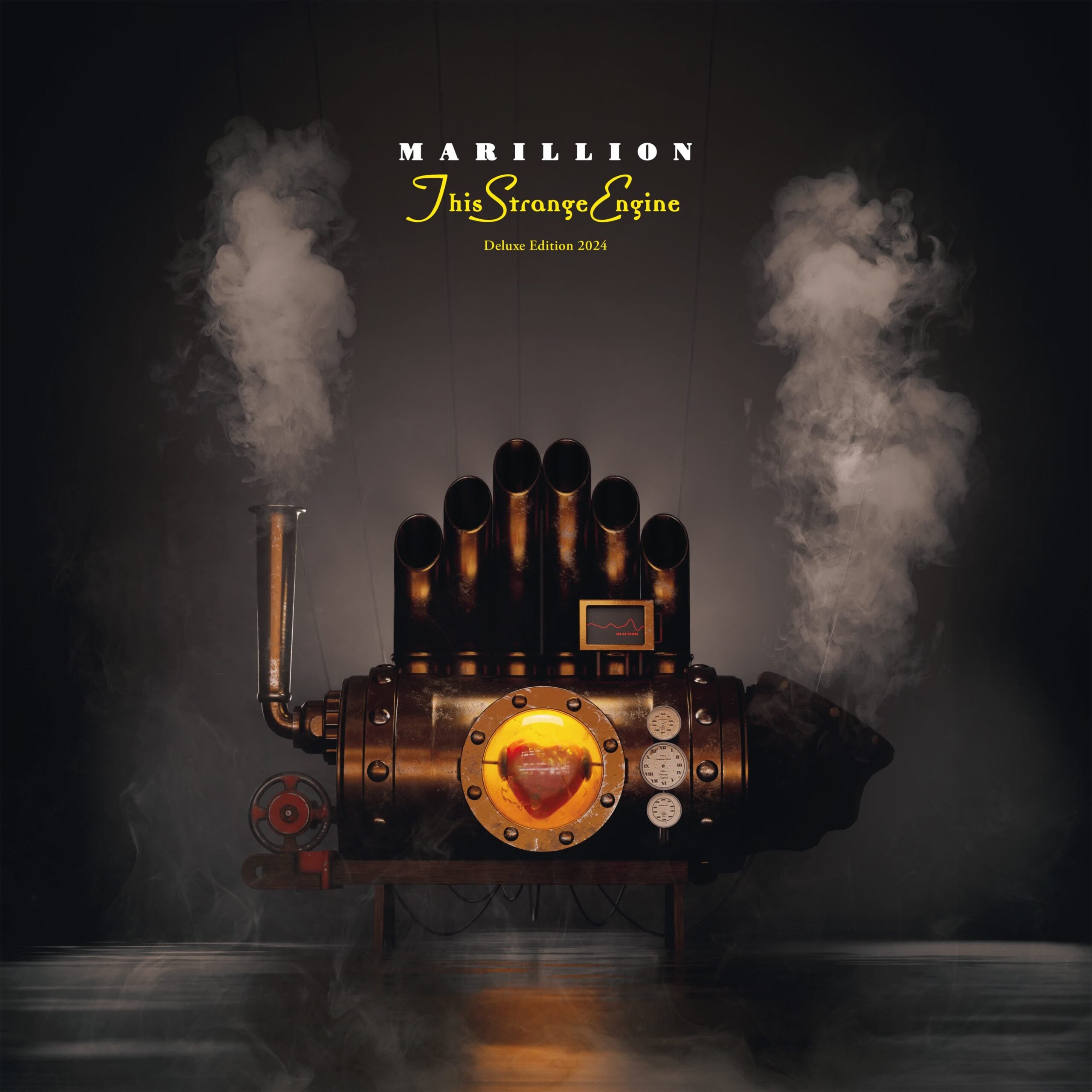
This Strange Engine
Released on 5 May 1997, This Strange Engine is Marillion’s ninth studio album and the last to be released through EMI. Produced by Dave Meegan in association with the band, it reached number 27 on the UK Albums Chart and marked a deliberate return to longer, more expansive compositions after the relatively concise material of Holidays in Eden.
The album’s centrepiece — and arguably its defining track — is the fifteen-minute title song, which closes the record. A slow-building, emotionally unfurling piece that draws on Hogarth’s childhood memories, it stands as one of the most personal and moving compositions in the band’s catalogue. Its final passage, building through layers of guitar, keyboard, and vocal to an emotional release, is one of rock music’s genuinely affecting long-form achievements.
Elsewhere, “Man of a Thousand Faces” offers one of the band’s most elegant shorter compositions, and “Hope for the Future” demonstrates the directional warmth that Hogarth’s lyrical voice had brought to the band. The album is also notable for the increasing role that keyboards played in the band’s sound — Mark Kelly’s work throughout is melodically rich and emotionally integrated.
Following its release and the end of the EMI contract, Marillion would take the unprecedented step of crowdfunding their next album directly through their fanbase — a decision that changed not just their own career but the model for how independent artists could sustain themselves commercially.