Marillion
Misplaced Childhood
Studio Album / Released June 17, 1985Buy/Stream
Marillion’s commercial and artistic peak — a seamless concept album that reached number one in the UK and produced the band’s only top-five single with “Kayleigh”.
More About
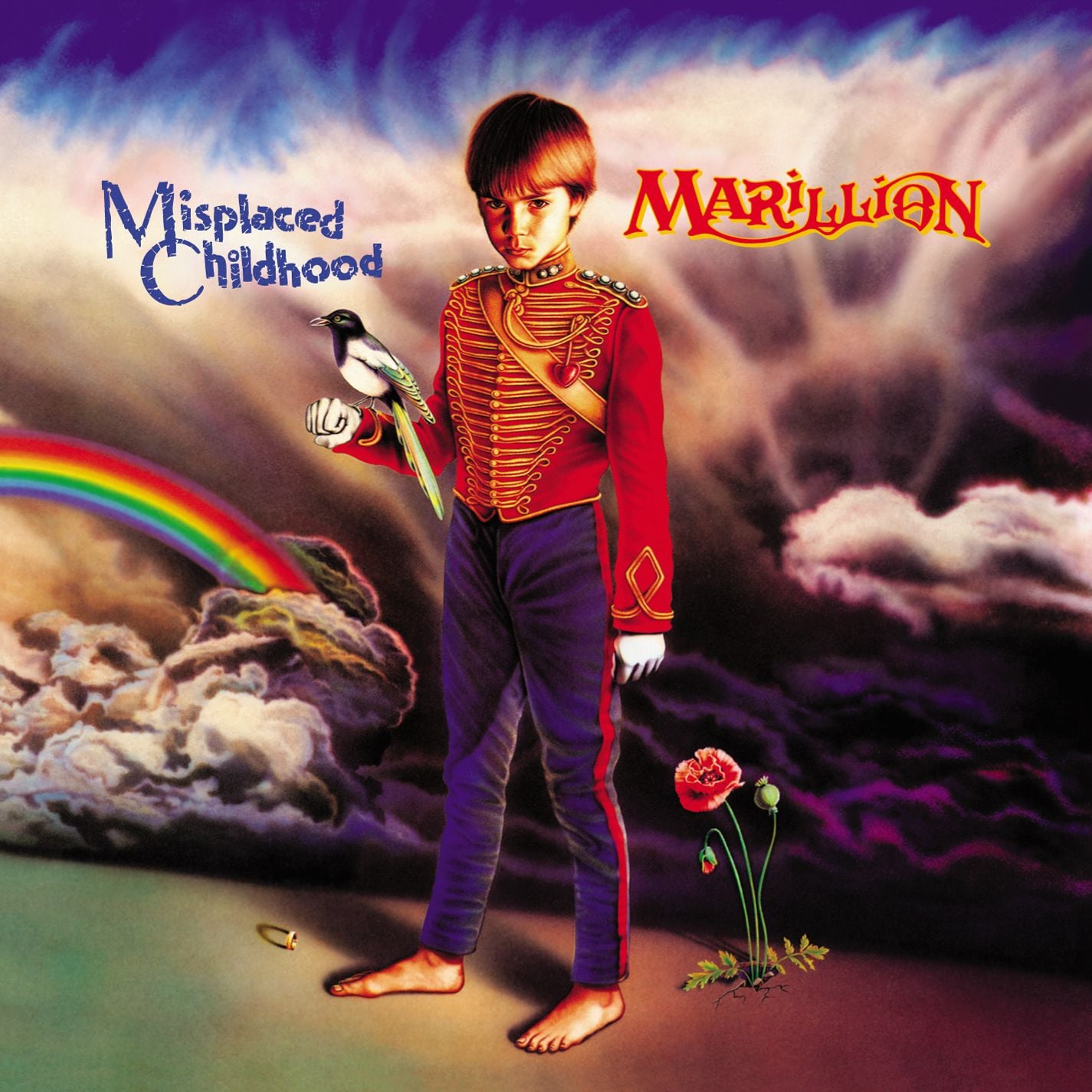
Misplaced Childhood
Released on 17 June 1985, Misplaced Childhood is the third Marillion studio album and the record that elevated the band from cult progressive rock act to mainstream chart phenomenon. Produced by Chris Kimsey and released through EMI, it debuted at number one on the UK Albums Chart — a feat almost unheard of for a progressive rock record in the mid-1980s.
The album is a continuous, unbroken concept piece exploring themes of lost innocence, nostalgia, and fractured relationships, all drawn from Fish’s own experience of a turbulent childhood and early adult life. Structured as two extended suites across its original vinyl sides, the record flows as a unified whole rather than a collection of songs — a bold artistic decision that EMI supported by refusing to allow the band to be pressured into shortening tracks.
“Kayleigh”, the album’s opening single, reached number 2 on the UK Singles Chart and remains one of the most recognisable progressive rock songs of its era. “Lavender” followed as a top-five hit. Together they demonstrated that progressive rock could be commercially viable without sacrificing ambition or depth.
Steve Rothery’s guitar playing on Misplaced Childhood is widely considered some of his finest work — melodically inventive, emotionally precise, and memorable in a way that few guitarists have matched in the genre. Mark Kelly’s keyboard textures frame the album’s emotional journey with equal care.
A definitive reissue was released in 2017, followed by a comprehensive 4CD/Blu-ray deluxe edition in 2017, and a further Steven Wilson remix in 2021. Misplaced Childhood endures as one of the essential progressive rock recordings of the twentieth century.
